

Magnetic Locks and Illuminated Exit Switches for Escape Routes
An escape route can never have a weak link
A fire door that normally needs to stay locked to prevent unauthorised access, but has to release immediately and reliably in an emergency, brings two opposing requirements together. The lock needs to be strong enough to prevent unwanted access, while also being guaranteed to release the moment it truly matters. For building consultants and installers working with fire safety codes, this is one of the most critical parts of a building design.
The story of a fire safety inspection that almost failed
Picture a technical project manager preparing an office building for handover. During the fire safety inspection, it turns out the door lock on one of the escape routes doesn't demonstrably fail safe: during a power outage, the door stayed locked longer than regulations allow. Handover is delayed until this is fixed. For the project manager, that's a costly delay that could have been avoided with the right components from the start.
Components for a reliable escape route
CX-90/91: magnetic locks for doors, built for electromagnetic door locking in commercial, industrial and public buildings. Fail-safe operation means the magnet releases the moment power is lost, exactly the behaviour fire safety codes require.
CX-95S-DH: the magnetic door holder built specifically for fire doors and door release, with flexible mounting for different door configurations. Where CX-90/91 actively holds a door shut, the CX-95S-DH is designed to hold a door normally open and only engage when the fire alarm triggers.
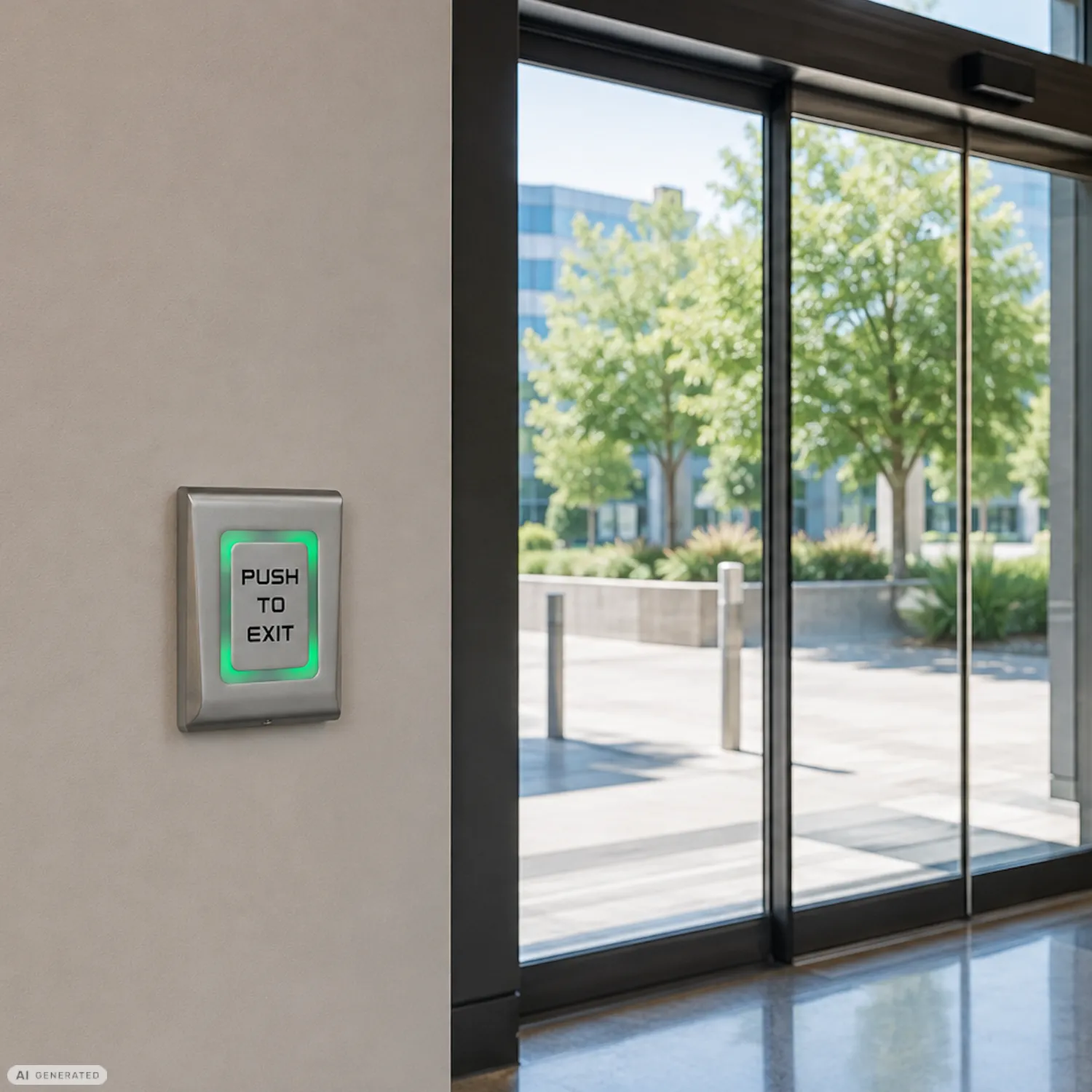
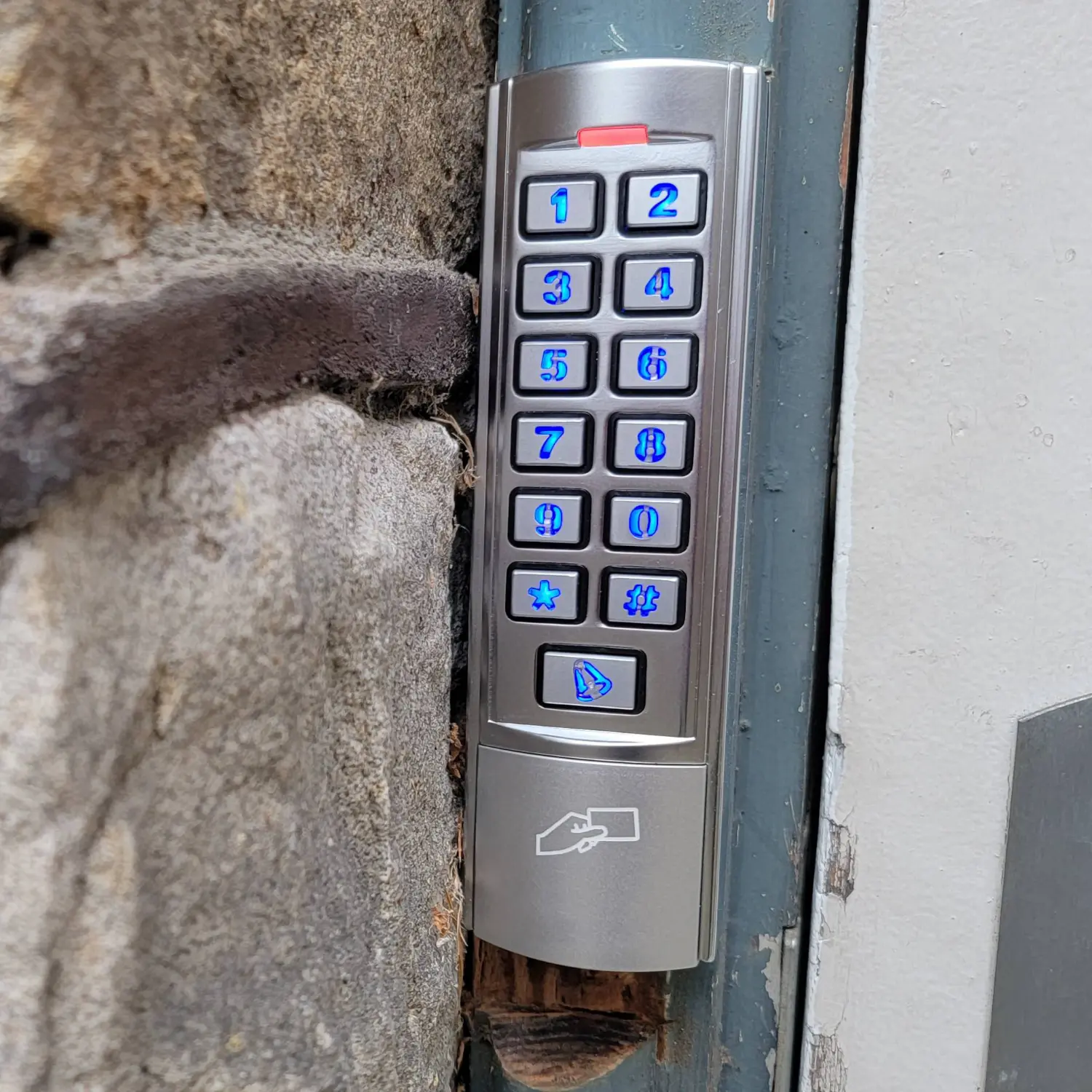
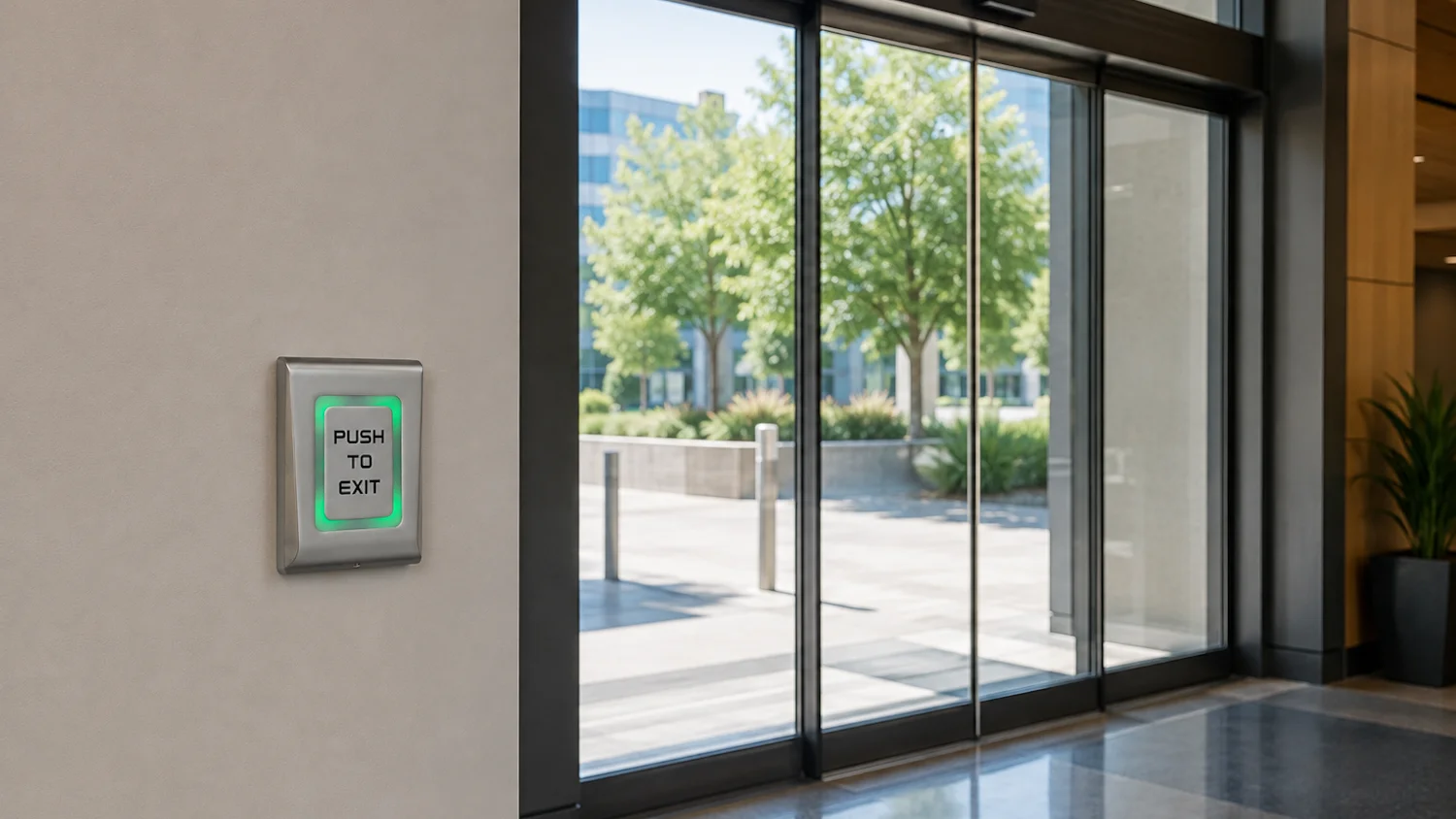
CM-30 and CM-9800: illuminated exit switches that control the release of the escape door. LED illumination keeps the switch clearly findable even with smoke or reduced visibility, a detail that in an emergency can mean the difference of seconds gained or lost.
Why fail-safe isn't a choice but a requirement
For escape route components, fail-safe behaviour isn't an extra feature, it's the core reason the product exists. A system that stays locked during a power outage is unsuitable for this kind of application, regardless of how well it otherwise performs. For installers, that means specifying against the correct fire safety standard is just as important as the physical installation itself.
More than just office buildings
The same requirements for fail-safe locking and visible exit switches apply to schools, healthcare facilities, shopping centres and any other building where fire safety codes play a role. Anywhere doors need to be normally access-controlled but release instantly in an emergency, this combination of components is relevant.
What this means for installation
For a project manager like the one in the example above, it's essential that magnetic locks and exit switches are specified early in the construction process, not just before handover. The link between the fire alarm system and door release has to be tested and documented, something installers should ideally include in the handover documentation to avoid inspection delays later.
Part of a complete escape route system
Magnetic locks and exit switches work together with a building's broader access control: normal working days call for controlled access, an emergency calls for immediate release. Both functions need to work seamlessly within the same system.
Secumatic supplies the CX-90/91, CX-95S-DH, CM-30 and CM-9800 as Camden's European distributor, with support on specification and project advice for installers and technical service providers. View the CX-90/91 magnetic locks, the CX-95S-DH magnetic door holder, the CM-30 illuminated exit switch or the CM-9800 capacitive exit switch, or get in touch for advice on the right specification for your project.