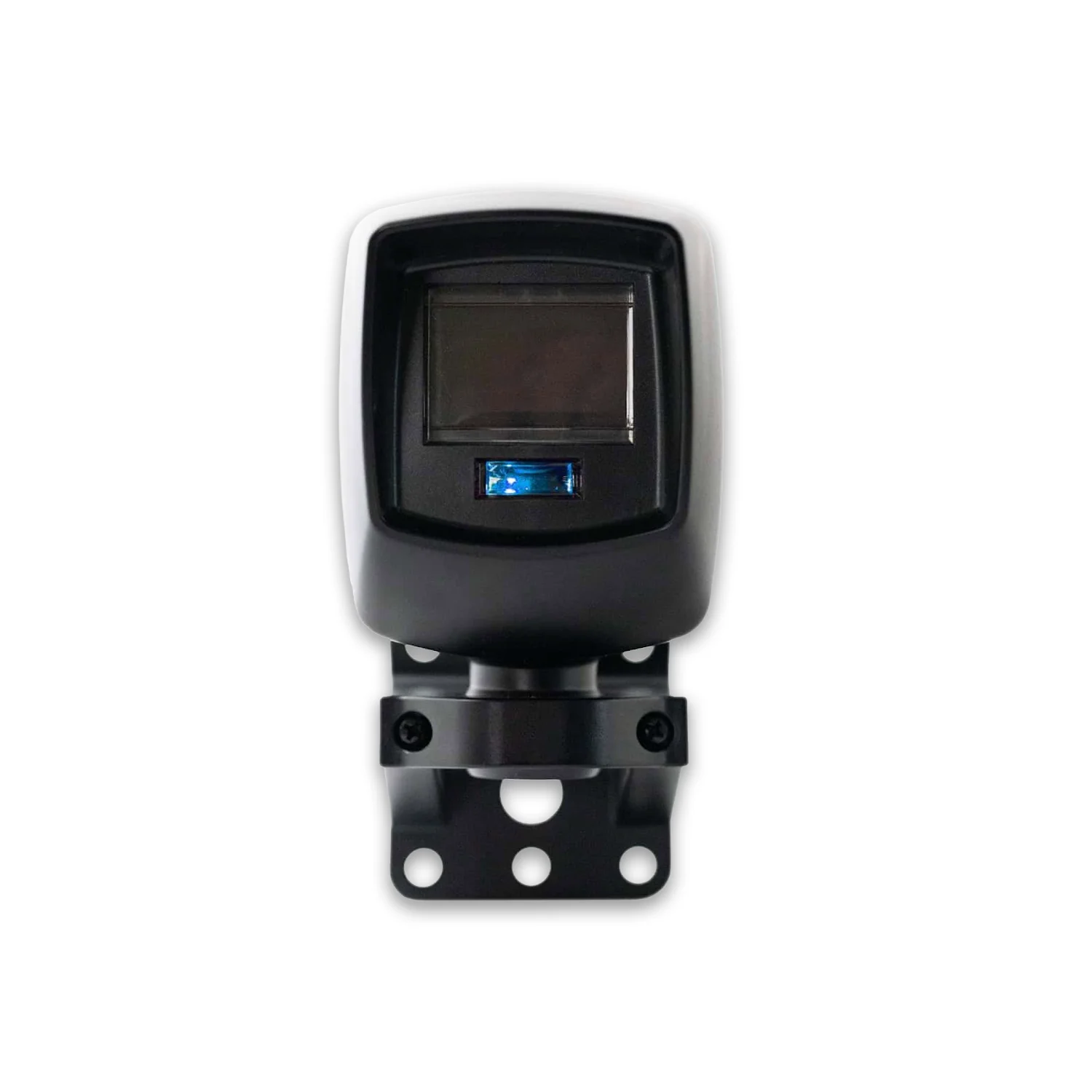
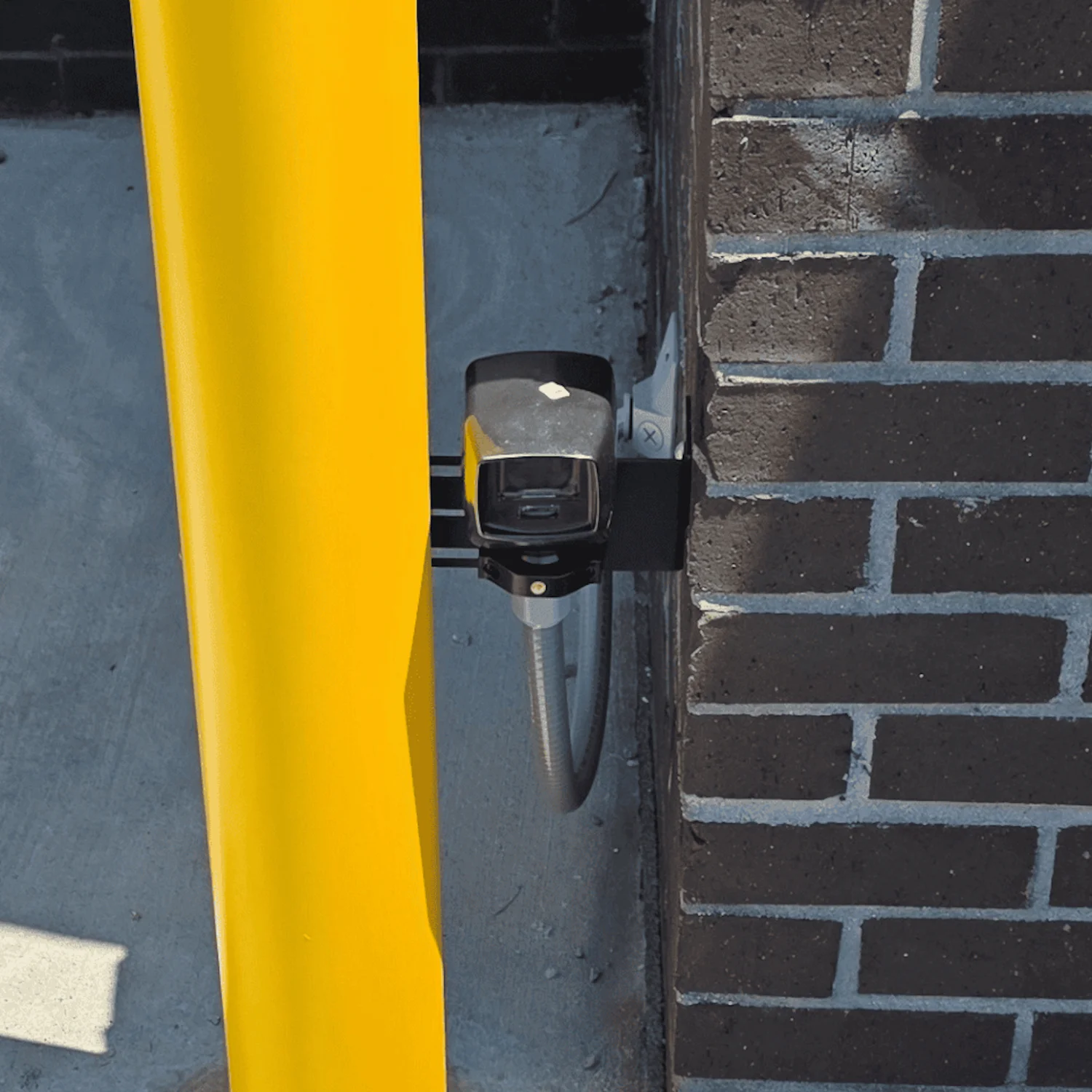
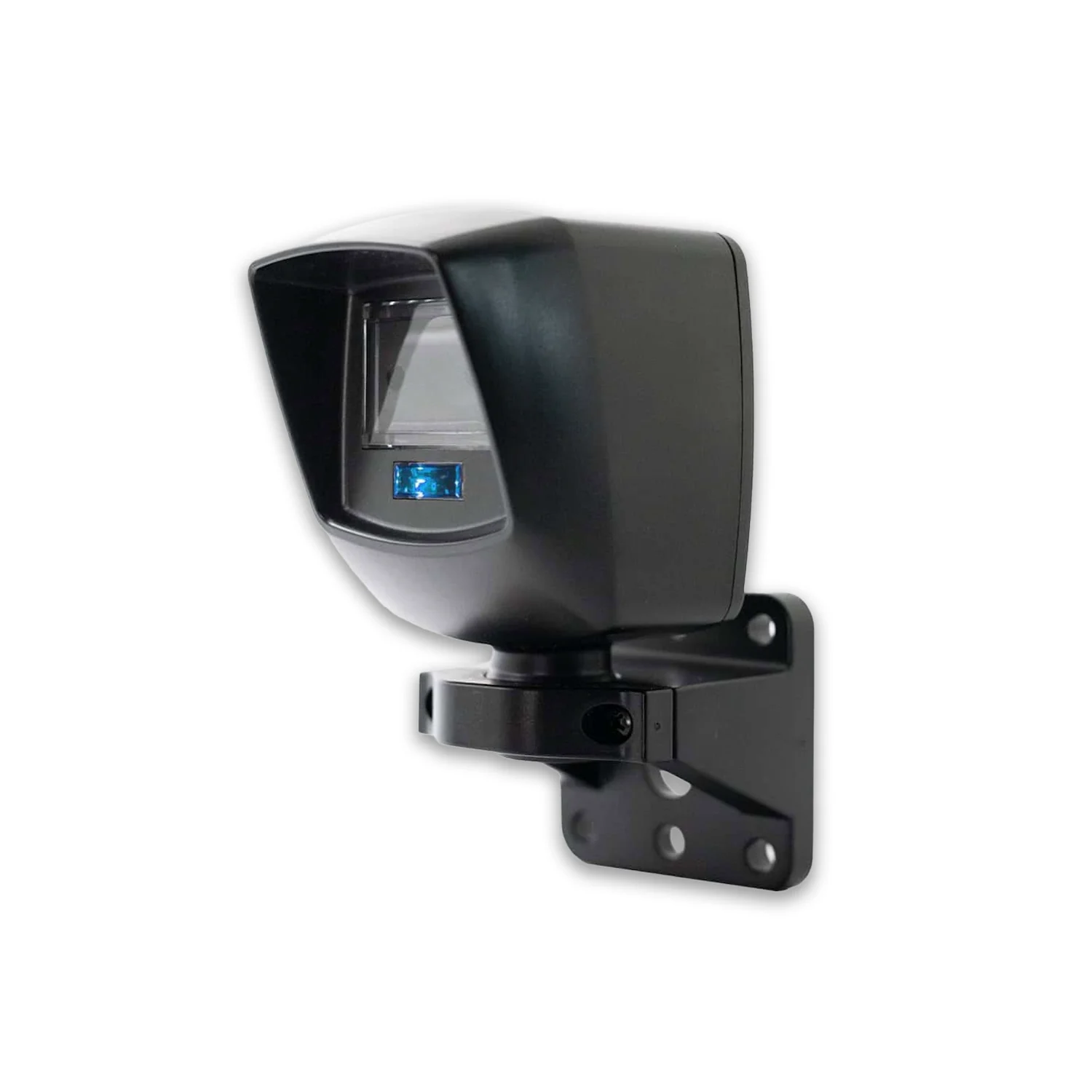
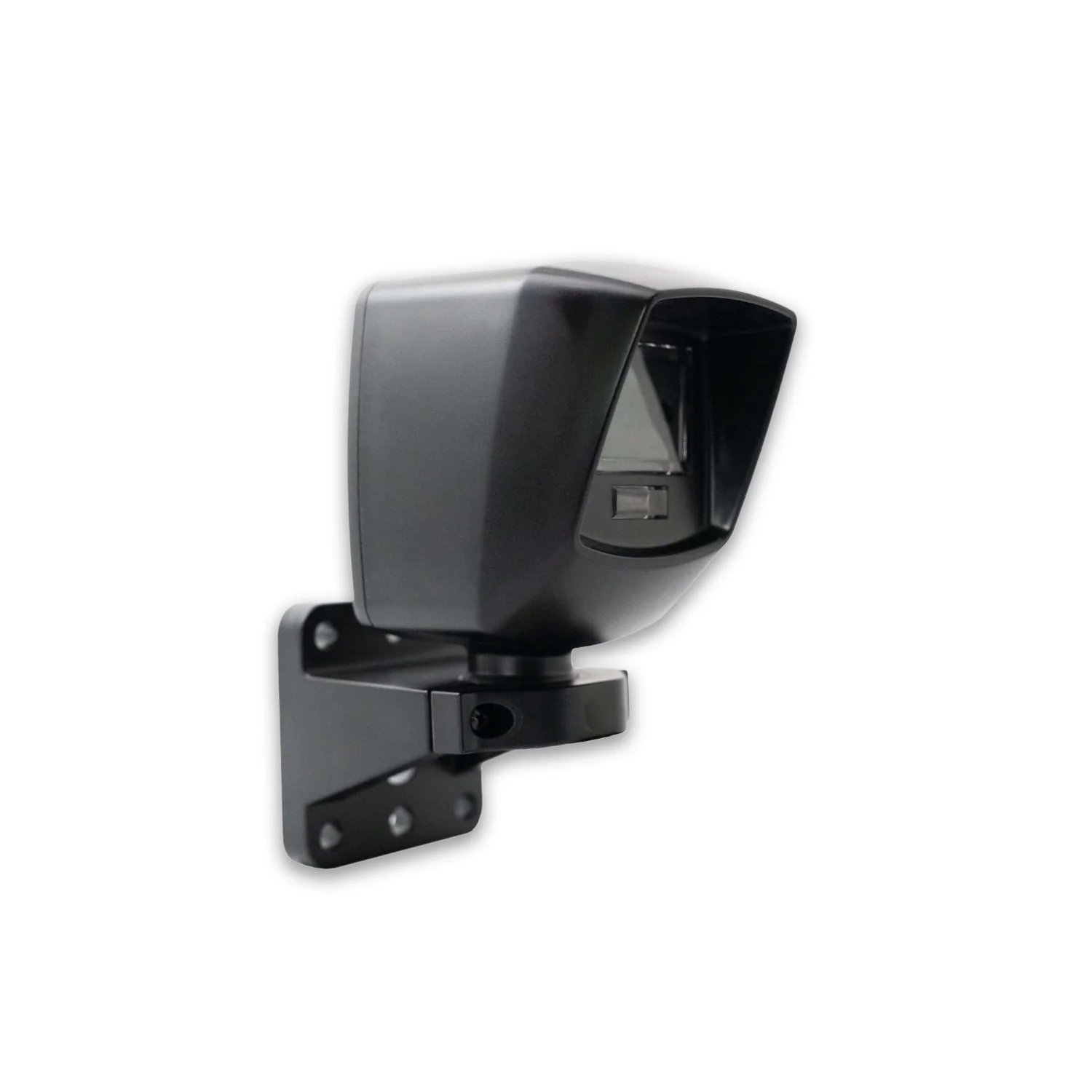
The MRD-1P is a radar presence sensor for barrier arms and gated entrances, detecting vehicles and pedestrians within an adjustable range of up to 10 metres. Thanks to microwave technology, detection stays reliable in all weather conditions, without any digging or an inductive loop required.
Model: MRD-1P
Type: Radar presence sensor, single-sided
Detection range: 0.3 - 10 m (1 - 30 ft), adjustable
Measurement accuracy: up to 1 mm
Response time: approx. 30 ms
Outputs: Form C relay, presence + pulse-on-entry/exit
Power supply: 6-40 VDC or 12-24 VAC
Housing: NEMA 4X, weatherproof
Operating temperature: -40°C to +60°C
Mounting: ball-and-socket bracket, adjustable
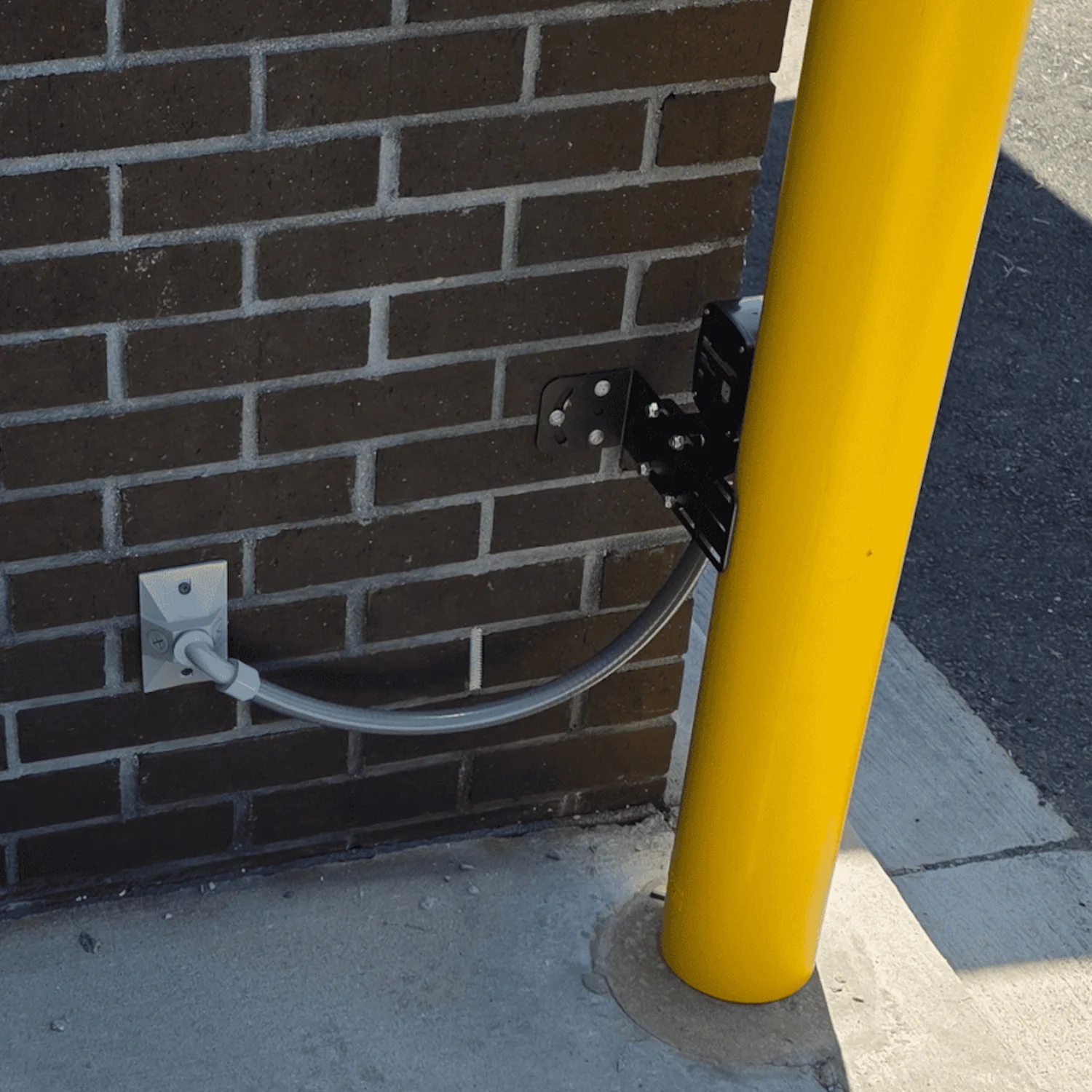
Connection: 1/2 inch NPT conduit, removable screw terminal block
Controls: pushbuttons with 3-digit display
Dimensions: 130 x 80 x 140 mm
Weight: 0.8 kg
At a barrier arm or gated entrance, the risk of an unwanted collision is real: a vehicle pulling forward too early, or a pedestrian entering the detection zone as the arm comes down. An inductive loop in the pavement doesn't solve this, since it only detects metal and therefore misses pedestrians entirely. The MRD-1P radar sensor is built to close exactly that gap: presence detection of both vehicles and people in the immediate vicinity of a barrier arm, without any saw-cutting in the road surface.
The MRD-1P uses a radar beam transmitted from a single side of the lane, without needing an opposing receiver like a photo-eye setup requires. The detection range is adjustable from roughly 30 centimetres to about 10 metres, with precision down to 1 millimetre. Because it's a microwave signal, detection stays reliable in rain, snow, fog or bright sunlight, conditions where optical sensors often perform less consistently.
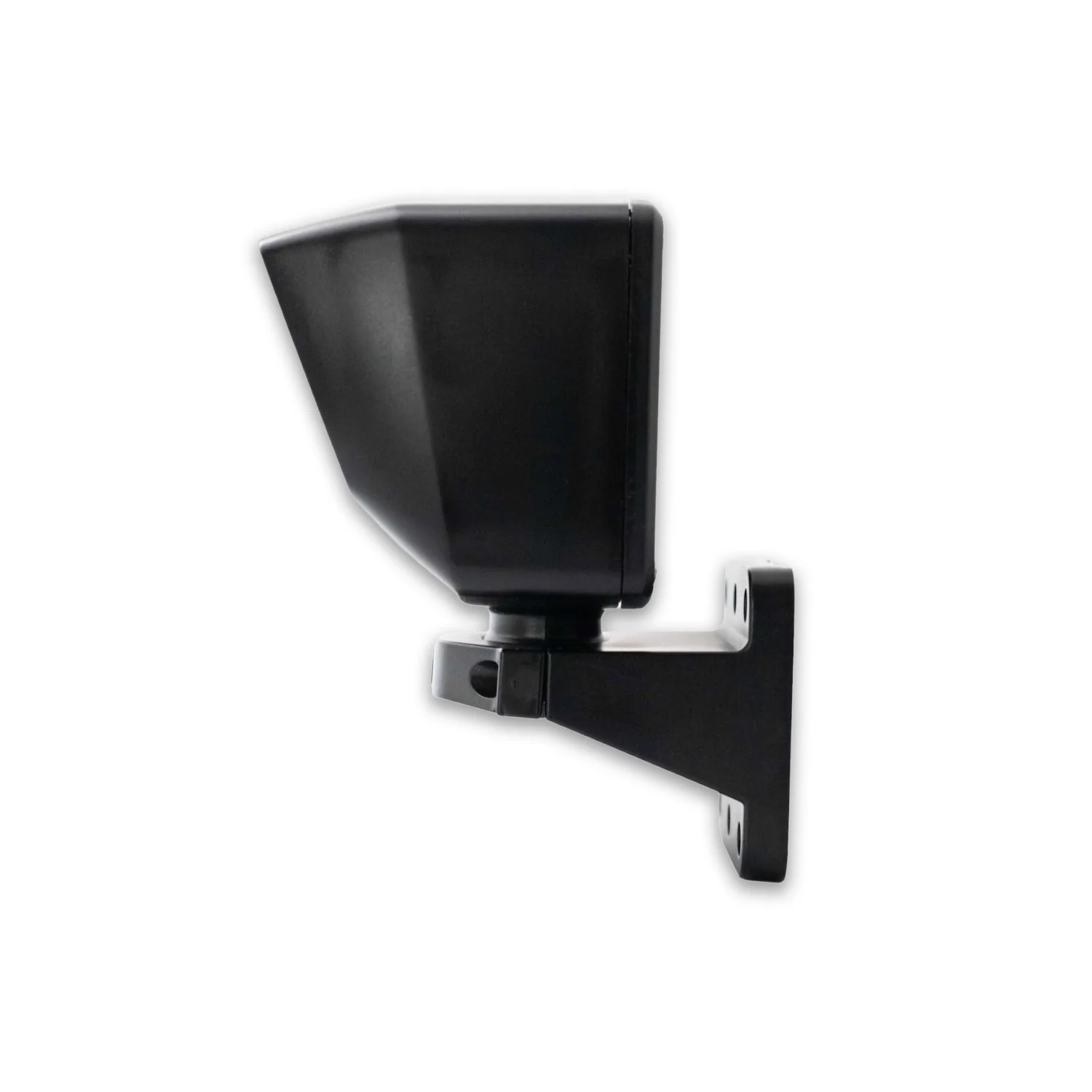
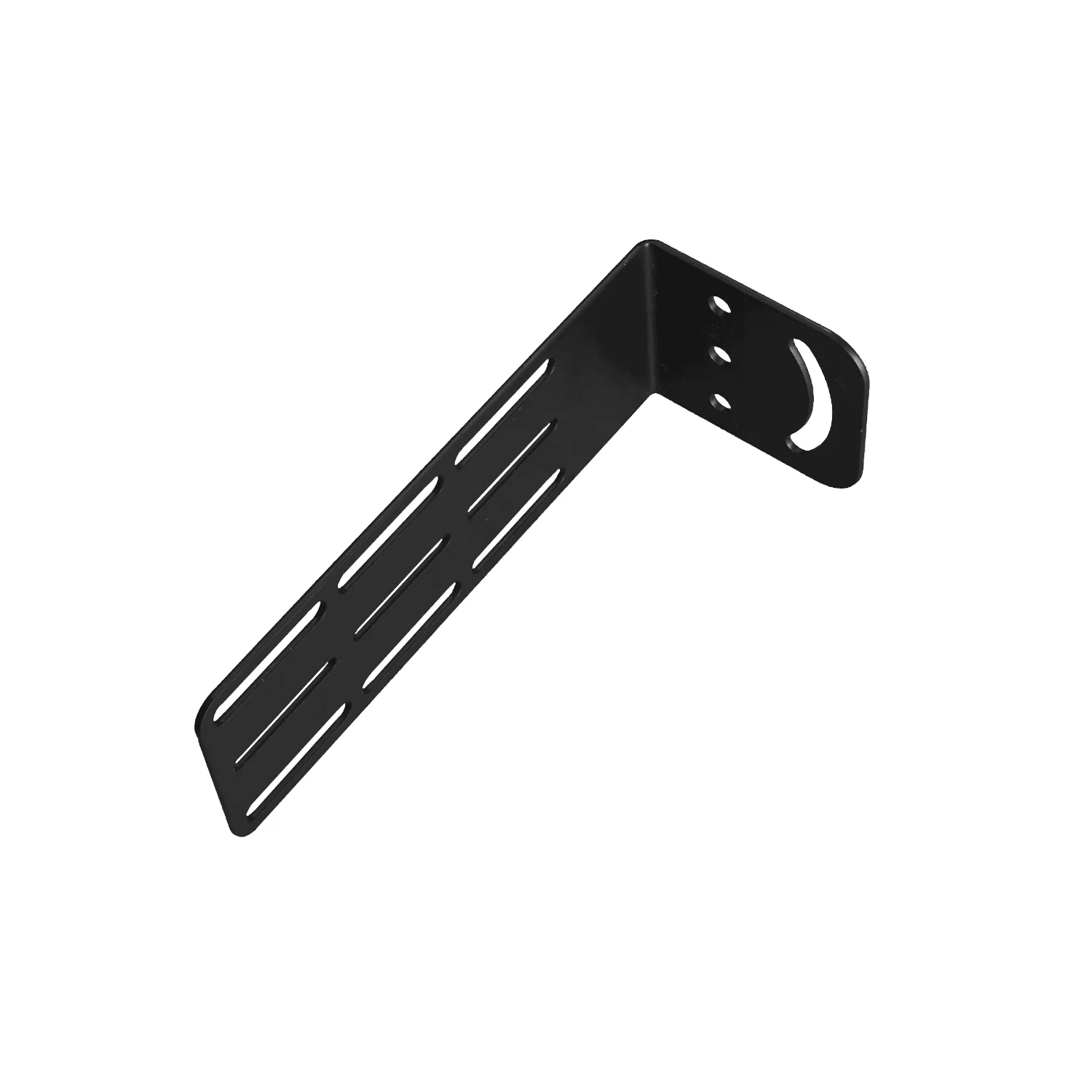
A key practical advantage is the mounting method: the sensor attaches via a ball-and-socket bracket, letting the detection zone be aimed precisely at the desired position, under, before, or after the barrier arm, depending on whether it's for presence, entry, or exit detection. There's no cutting into asphalt, no loop wire, and no cabling that needs to be pulled through the road surface. For a renovation project or a temporary parking solution, that's a real difference in timeline and cost compared to a loop detector.
The sensor responds within roughly 30 milliseconds and offers two relay outputs: a presence signal and a pulse-on-entry or pulse-on-exit signal, depending on configuration. Settings are made via pushbuttons with a 3-digit display, directly on the sensor itself, so an installer can fine-tune on site without separate software or programming equipment.
The MRD-1P is widely used at parking facilities with barrier arms, business parks with controlled entrances and exits, and secured access roads where both vehicles and pedestrians play a role. For managers of these kinds of sites, the main advantage is that one sensor covers both obstruction types, rather than needing separate provisions for vehicle and pedestrian detection.
The sensor doesn't distinguish between a vehicle and a pedestrian: both trigger the same signal. For applications where that distinction matters, additional detection is needed. The MRD-1P is also not a substitute for required, certified entrapment protection safety devices at a barrier arm, but an additional presence detection layer within a complete access system.
Secumatic supplies the MRD-1P as part of the complete vehicle detection sensor range, with support on specification and project advice for installers and technical service providers. Get in touch for advice on the right sensor choice for your project.